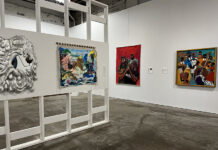
The Detroit Institute of Arts is entering a new era.
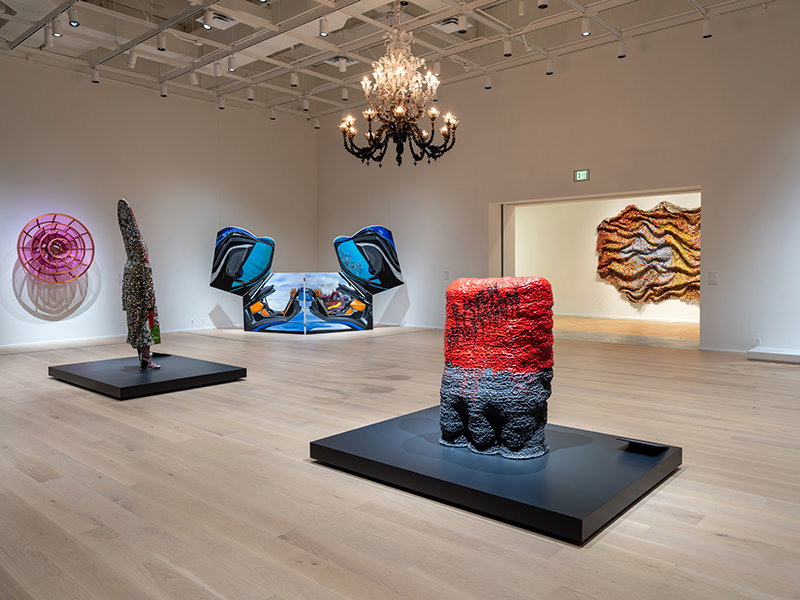
On Nov. 15, the museum opened its reimagined Modern and Contemporary Art Galleries, completing a major transformation of the institution’s second-floor North Wing and unveiling the first comprehensive reinstallation of both collections in nearly two decades. More than 375 works spanning over 150 years of artistic innovation now fills 20 newly designed galleries, bringing Detroit artists into dialogue with some of the most influential creative voices from around the world.
The ambitious project combines beloved masterpieces, recent acquisitions, and rarely exhibited works into a fresh narrative that explores artistic experimentation, social change, cultural exchange, and the enduring influence of Detroit as a center of creativity.
“The opening of our new modern and contemporary art galleries marks the culmination of an inclusive and ambitious vision for how we present the art of our time,” said DIA director Salvador Salort-Pons in a press release.
“Woven throughout these rooms are works by Detroit artists, placed alongside celebrated names from around the world, so that our audiences will see their own city, histories, and experiences reflected on our walls. These galleries affirm that Detroit is not only a place where great art is shown, but where it is made, and they will inspire generations to come to imagine their own place in that story.”
The opening also marks the completion of a broader vision that began with the museum’s reinstalled African American art galleries in 2025, creating a newly reimagined presentation of African American, Modern, and Contemporary art collections across the North Wing.
“It’s an opportunity to see how the works that we’ve been acquiring over the past several years converse with what have been long favorites in the collection,” DIA deputy director Judith F. Dolkart told Hour Detroit at the media preview on Nov. 13. “It was a very inclusive process, speaking with the community, with artists, with scholars, to generate ideas for the Contemporary gallery, in particular. Those galleries have been fully renovated with new floors, new ceilings, new abilities for us to install works in ways that we weren’t previously able to.”
Honoring a Family’s Lasting Commitment
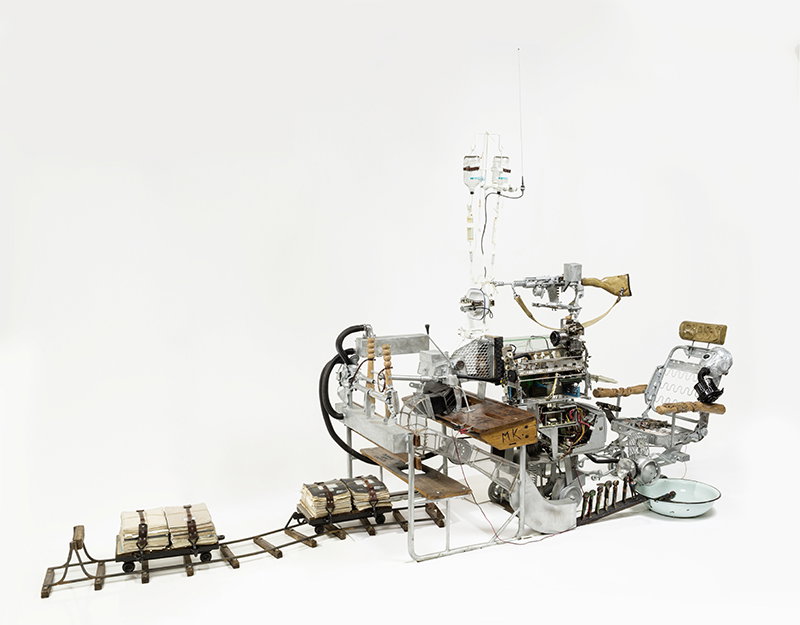
In recognition of a transformative gift from two longtime supporters, the contemporary galleries is now renamed the Frances and Kenneth Eisenberg and Family Wing. DIA members since 1981, Kenneth and his late wife Frances have been among the museum’s most dedicated patrons for more than 40 years, and their support directly helped bring the reimagined galleries to life.
The galleries also features works recently donated by the estate of Gilbert B. and Lila Silverman, whose longstanding commitment to both the museum and the city helped shape Detroit’s cultural landscape.
Revisiting Modernism Through a Detroit Lens
The renewed Modern Art galleries explore a period defined by extraordinary artistic upheaval and experimentation. Visitors will encounter more than 250 works ranging from painting and sculpture to ceramics, furniture, glass, and film, tracing the evolution of artistic expression from the mid-19th century through the postwar era.
The installation features major figures including Gustave Courbet, Claude Monet, Vincent van Gogh, Pablo Picasso, Wassily Kandinsky, Salvador Dalí, and Henry Moore, among many others who transformed the trajectory of modern art.
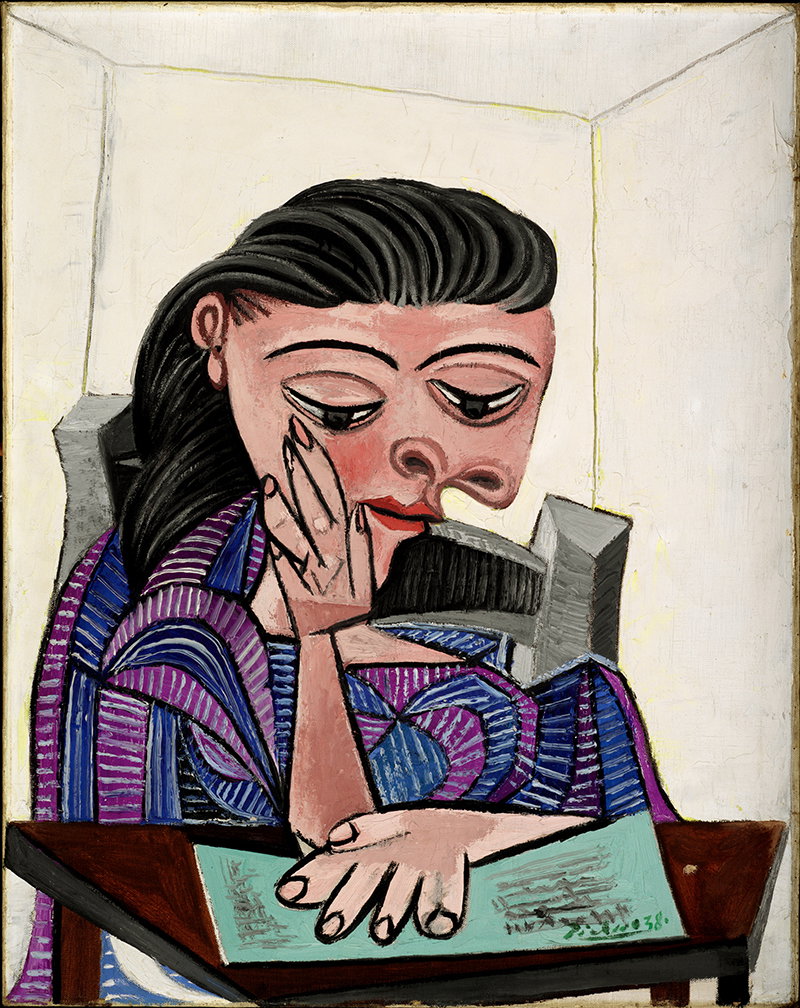
Jill Shaw, head of the museum’s Modern and Contemporary Art department and a curator of European Art for the museum, called the undertaking “a curator’s dream.”
“I’m speechless,” she said. “It’s been a long journey, and this has been a really incredible project that has involved a lot of collaboration — a lot of curators, a lot of interpreters, a lot of staff — from a variety of areas of the museum. I’m most excited today to see this team feel the success together. I think we’ve really bonded through this, and are very excited to show our visitors what we’ve come up with.”
A distinct emphasis on Michigan’s role in shaping modern design threads throughout the galleries. A dedicated section celebrates influential midcentury designers with Michigan roots, including Ray and Charles Eames, Eero and Pipsan Saarinen, Harry Bertoia, and Alexander Girard. Detroit’s automotive heritage also appears in a display of automotive concept art and industrial design objects that reflect the city’s manufacturing legacy.
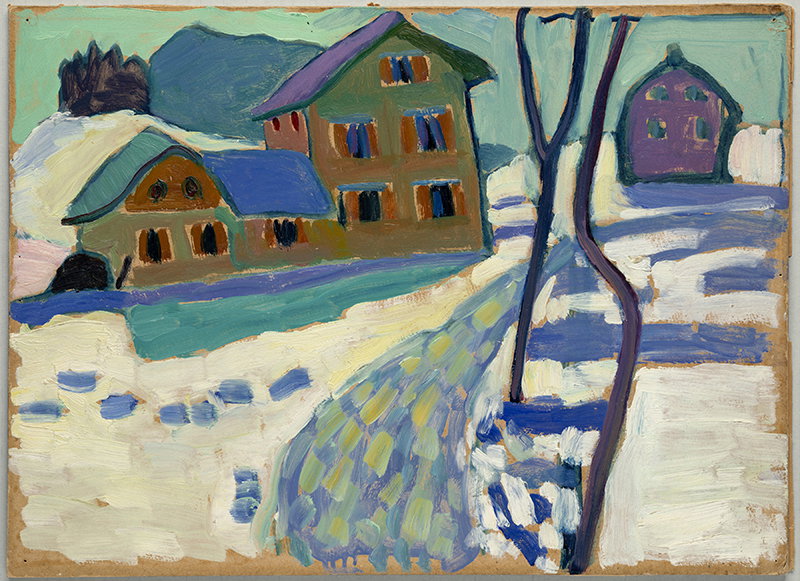
Among the standout additions is Salvador Dalí’s Landscape with Telephones in a Dish (1939), the first painting by the surrealist master to enter the DIA’s collection. Visitors will also encounter Gabriele Münter’s vibrant Kochel, Snowy Landscape with Houses (1909), showcased as part of the museum’s exploration of German Expressionism.
A Contemporary Wing Rooted in Detroit and Connected to the World
If the Modern galleries look backward to the foundations of artistic innovation, the Contemporary galleries focus on the urgent questions of the present.
Spread across 10 thematic spaces, the new installation explores memory, identity, politics, media, resistance, grief, and transformation. More than 120 works created from the 1950s to today invite visitors to consider contemporary art as a force for reflection, reinvention, and social change.
Detroit sits at the center of the narrative. The museum highlights the city’s artistic community through works by artists who are from, live in, or have worked in metro Detroit, ensuring that every gallery contains at least one Detroit-connected voice.
Katie Pfohl, who has served as Associate Curator of Contemporary Art for four years, said the project began long before she arrived at the museum.
“I’m proudest of the way that Detroit shines in this installation,” she said. “This will be the first truly global Contemporary installation in the museum’s history, with artists from over 30 countries. Our old Contemporary galleries were really weighted towards our more historical collection, and in our new galleries, over half of the work is made after the year 2000, which really lets the museum connect with the art and ideas of our time. And we’ve also really shifted the nature of representation in the galleries. Our past galleries less than 20% women and artists of color, and our new galleries are almost 70% artists of color, and almost 50% women.
“We also have Detroit artists featured in every single gallery alongside artists from across the world. I think it’s really exciting to see the way that the artists and histories of this incredible region relate to these broader global stories that we’re telling.”
Returning works by celebrated artists including David Hammons, Eva Hesse, Donald Judd, Mickalene Thomas, Nam June Paik, and Shahzia Sikander are joined by recent acquisitions from Firelei Báez, Raven Halfmoon, Matthew Angelo Harrison, Tiff Massey, Thomas J. Price, and others.
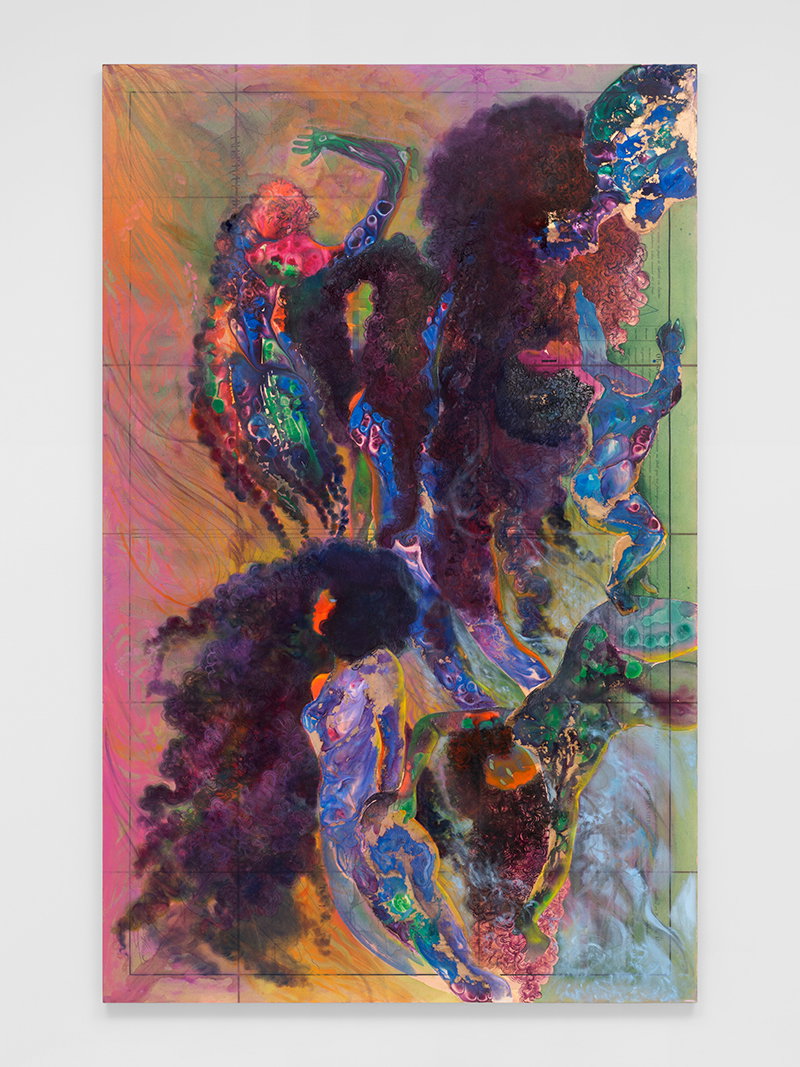
Among the newly featured highlights is A Place Beyond (2025), a monumental sculpture by British artist Thomas J. Price that challenges longstanding traditions of representation in art history through its powerful portrait of a young Black woman. Nearby, Detroit-born artist Mario Moore’s The Council (2021) reflects on artistic collaboration and social transformation, while Firelei Báez’s Black Counter Gravity (2022) draws connections between historical memory, the Atlantic world, and Detroit’s techno legacy.
A Celebration Beyond the Galleries
The reopening was marked by a series of public events designed to welcome visitors into the museum’s transformed spaces. Festivities included the DIA’s annual gala on Nov. 14, the official public opening on Nov. 15, a member reception on Nov. 19. On Friday, Nov. 20 there will be a community opening party featuring music, dance, performances, and a sonic journey through Detroit’s musical history led by internationally acclaimed DJ Waajeed.
For more information and to register for events, visit dia.org/events/exhibitions/reimagine-modern-art. Duante Beddingfield
|
|
|
|
|
|