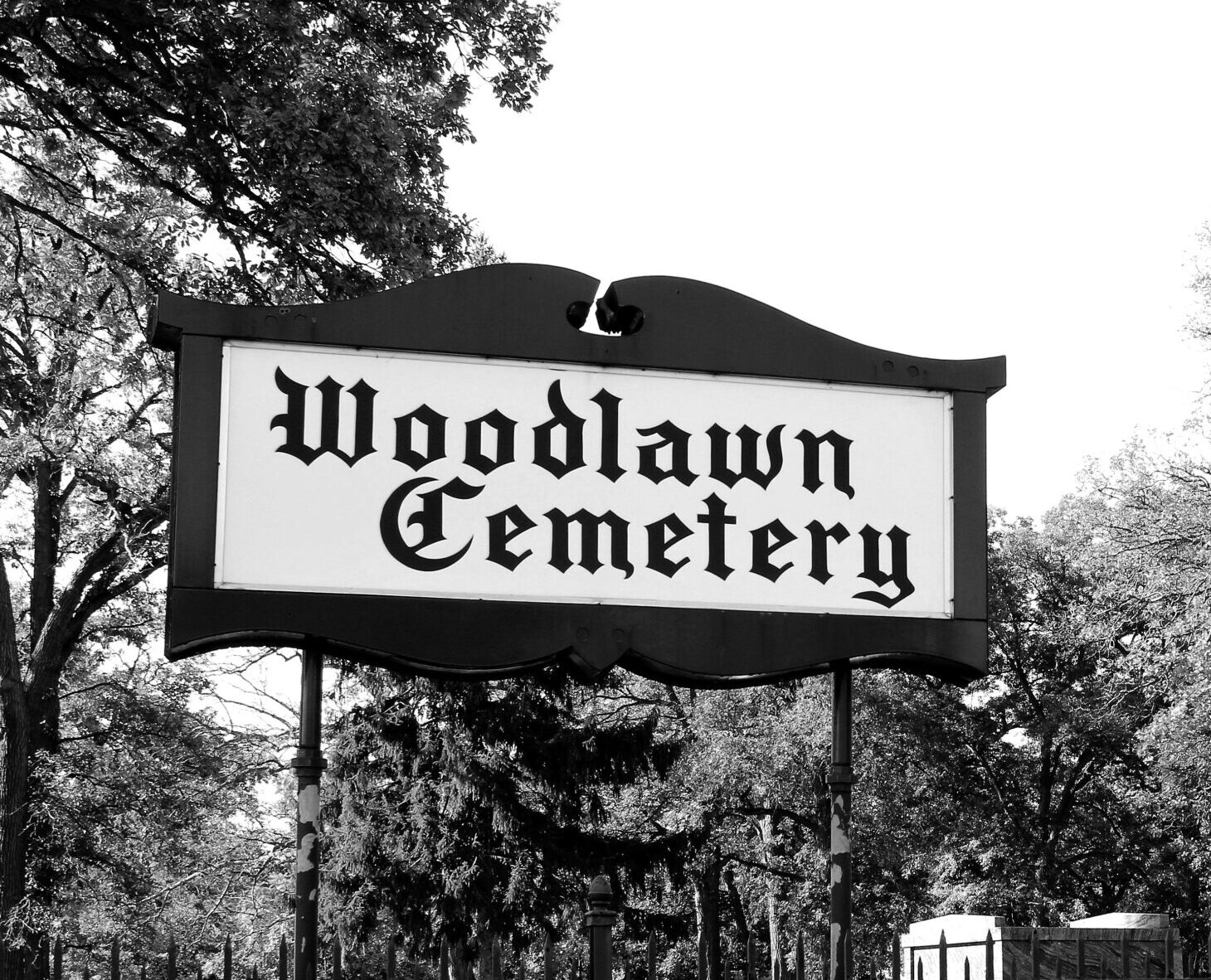
Of metro Detroit’s many cemeteries, none is more famous than Woodlawn. Located on Woodward Avenue in Detroit between Seven and Eight Mile roads, the cemetery is known as the resting place of many notable figures. They include, among others, Rosa Parks, automobile magnates, Motown music stars, politicians, and a celebrated pitcher who helped lead the Detroit Tigers to three consecutive American League pennants in the early 20th century.
Without a map or guided tour, one could easily get lost in the history-filled, heavily wooded cemetery marked by winding roads and a small lake.
In 1895, the Woodlawn Cemetery Association acquired 140 acres of wild forest and converted the property into a beautiful cemetery park designed by landscape architect Frank Eurich. Seven years after the cemetery’s dedication in 1898, the Albert Kahn-designed mortuary chapel was built.
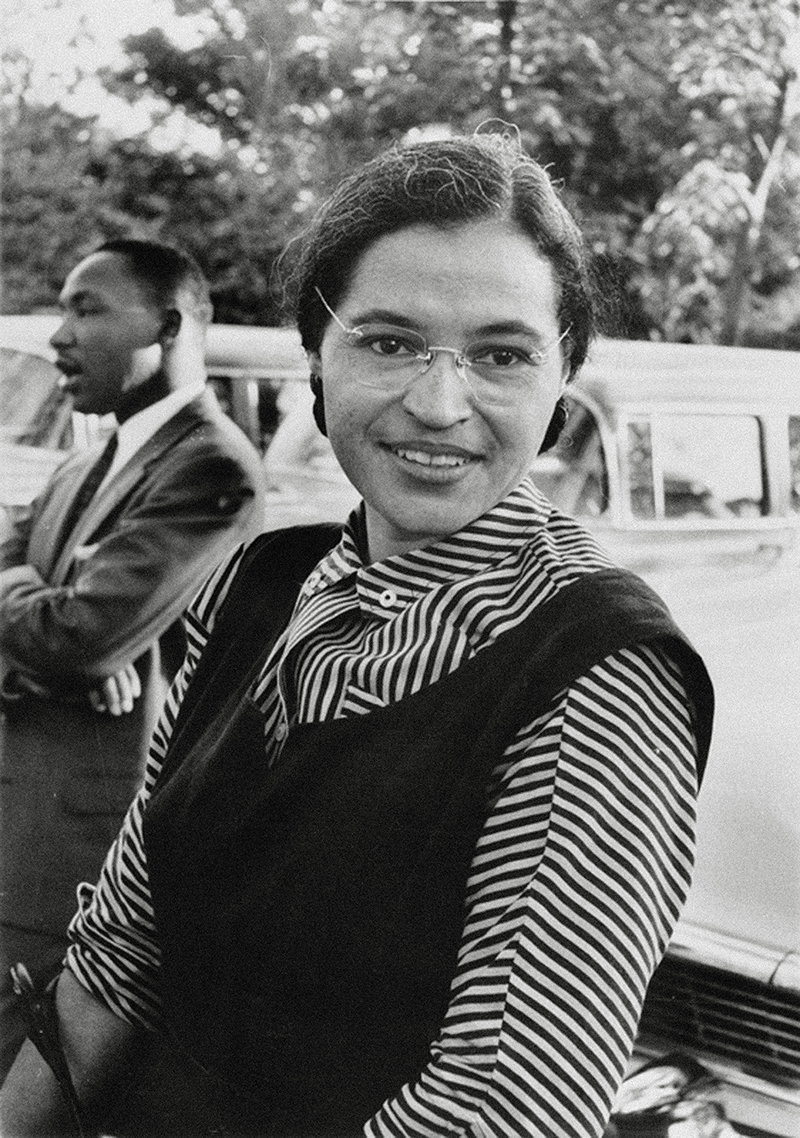
In 2005, the chapel was renamed the Rosa L. Parks Freedom Chapel after the “Mother of the Civil Rights Movement” was interred there.
Kevin Walsh, director of film, video, and television production at Lawrence Tech, has led tours at Woodlawn for Detroit History Tours since 2019.
“I fell in love with all the history and pop culture represented there,” says Walsh, who co-produced a mini-documentary series called Digging Detroit about under-the-radar spots in the city. “It’s really amazing, beautiful, very walkable, and an interesting snapshot of Detroit history. There are wonderful stories to tell visitors about so many people who are interred at Woodlawn.”
Rosa Parks is just one of the many notable Detroiters laid to rest at Woodlawn Cemetery. Here are several others.
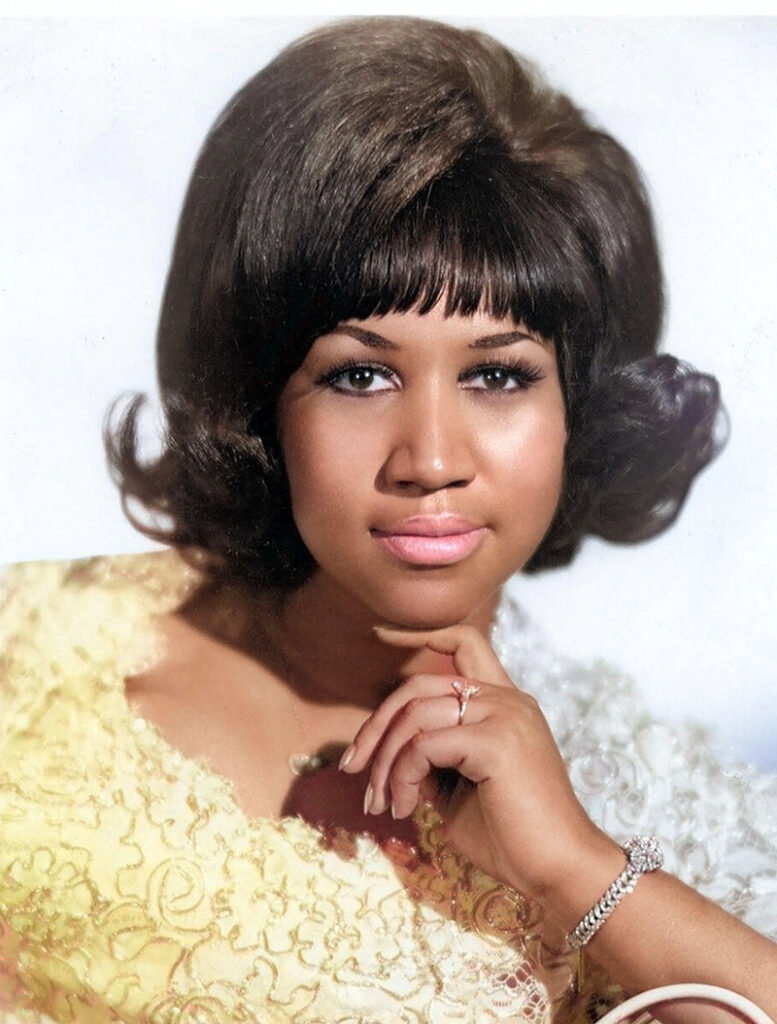
Aretha Franklin (1942-2018): Main Mausoleum, Lower Level, Section 185-188
Known around the world as “The Queen of Soul” and the first woman inducted into the Rock and Roll Hall of Fame (1987), Franklin chartered more than 100 singles, including 17 Top 10 singles and 20 No. 1 R&B hits (including “Respect”). Throughout her career, she received 18 competitive Grammys and a Grammy Lifetime Achievement Award, as well as the Kennedy Center Honors in 1994. She famously sang “My Country ’Tis of Thee” at President Barack Obama’s first inauguration in 2009. After Franklin’s televised, star-studded, eight-hour funeral service on Aug. 31, 2018, hundreds of people lined the streets to watch her hearse travel from Greater Grace Temple on Seven Mile Road into Woodlawn Cemetery. She is entombed near her father, the Rev. C.L. Franklin, her brother Cecil, and her sisters, Erma and Carolyn.
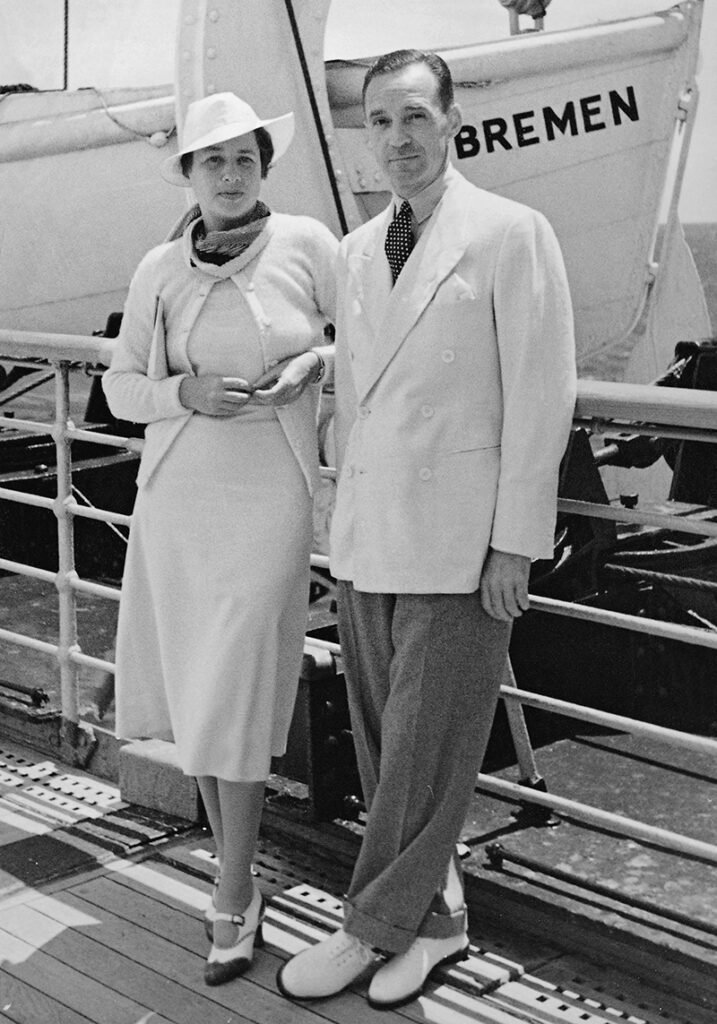
Edsel (1893-1943) and Eleanor Ford (1896-1976): Ford Family Plot, Section 10, across from the Main Mausoleum chapel
The only child of Clara and Henry Ford, Edsel Ford became Ford Motor Company’s president in 1919. Known for his design talent, Edsel oversaw the development of the Model A, the acquisition of Lincoln Motor Company, and the creation of the Lincoln Zephyr and Continental.
In 1916, Edsel married Eleanor Clay, a niece of department store magnate J.L. Hudson. Substantial philanthropists and art patrons, the couple were significant benefactors of the Detroit Institute of Arts both financially and through gifts of major works. Edsel commissioned Diego Rivera’s murals at the DIA and established the Ford Foundation in 1936. He died at 49 of stomach cancer.
The Fords are buried next to their children William Clay Ford Sr., Benson Ford Sr., and Josephine Ford. (Their eldest child, Henry Ford II, was cremated, and his ashes were reportedly scattered on the Detroit River.)
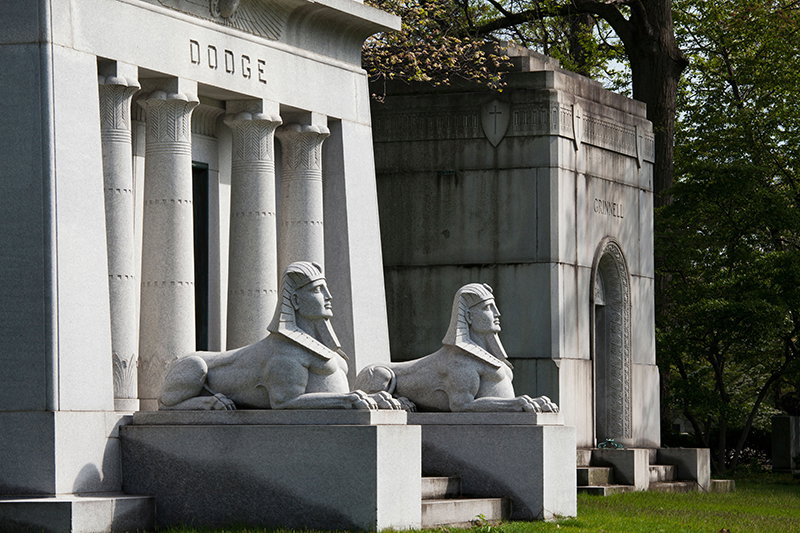
John (1864-1920) and Horace Dodge (1868-1920): Dodge Mausoleum, Section 10, Lot 5
In 1901, the Dodge brothers opened a machine shop in Detroit. By 1903, they exclusively supplied auto parts to the new Ford Motor Company and owned 10% of Ford’s stock. In 1914, the duo opened their own car company in Hamtramck, which became the second-largest automaker. While attending the New York Auto Show, the influenza pandemic struck Horace, then John, with a severe illness. The brothers both died in 1920, 11 months apart, and were laid to rest in their own impressive neo-Egyptian mausoleum in Woodlawn. John’s widow, philanthropist Matilda Dodge Wilson (1883-1967), and her second husband, Alfred Wilson — the pair behind Meadow Brook Hall in Rochester — are entombed in their own mausoleum next to the Dodge Mausoleum in Section 10.
James J. Couzens (1872-1936): Couzens Mausoleum, Section 24, Lot 100
Upon its founding in 1903, Ford Motor Company named Couzens, one of its original investors, corporate secretary. When he later served as vice president and general manager, his remarkable business acumen helped Ford put the world on wheels with the Model T. In 1919, Couzens sold his stock to Henry Ford for $30 million. He then served as Detroit’s mayor from 1919 to 1922 before being appointed to the U.S. Senate to fill a vacancy. Elected for a full term in 1924 and re-elected in 1930, he died while in office at age 64. Couzens was a major philanthropist well known for supporting children’s health and civic causes.
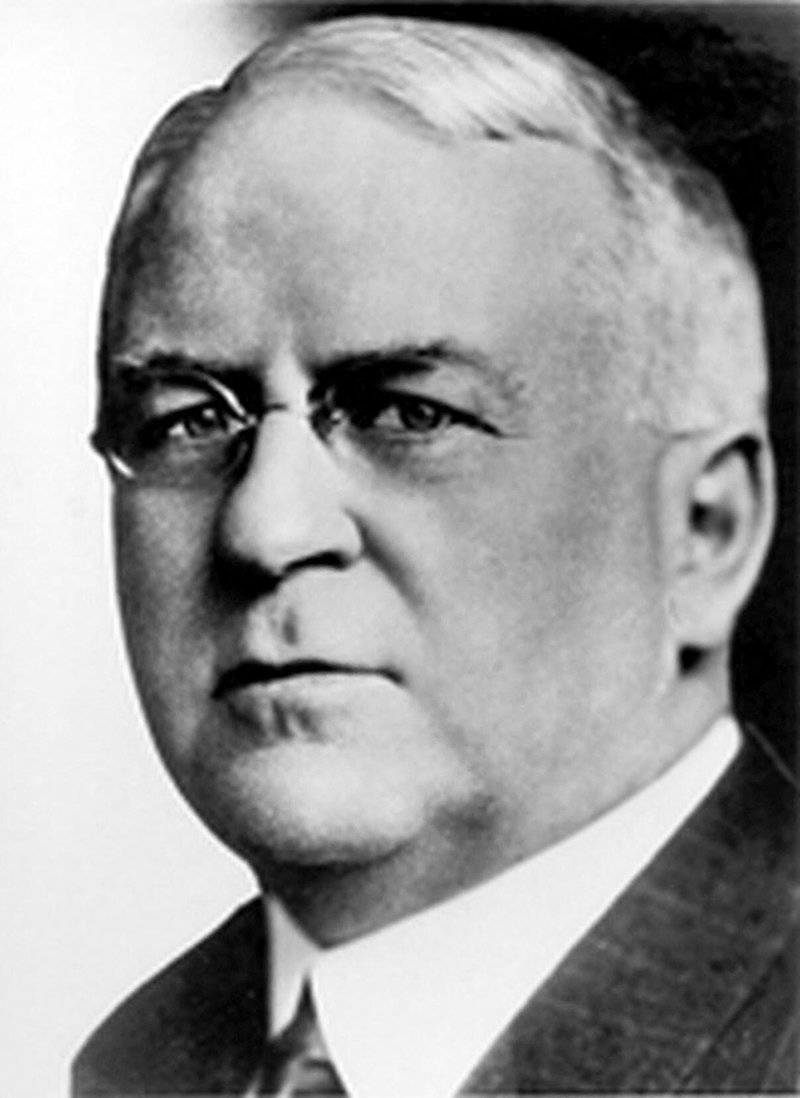
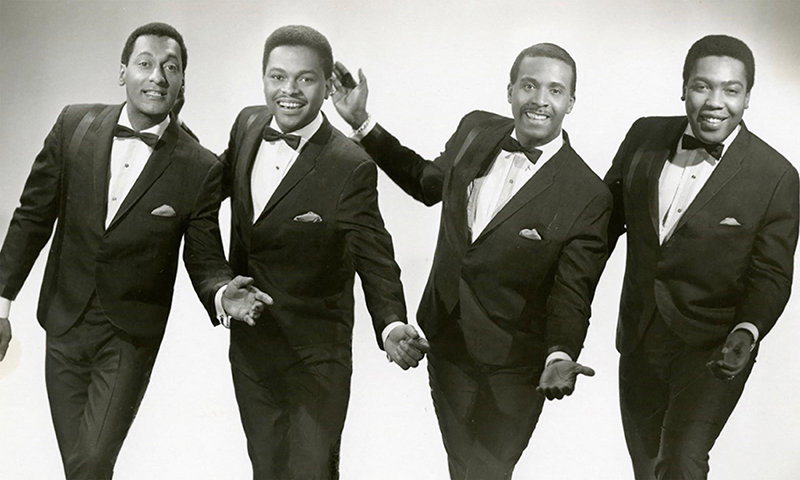
The Four Tops: Levi Stubbs (1936-2008) Section 3, Space 325, Grave 3; Abdul “Duke” Fakir (1935-2024) Section 3, Lot 59C, Space 1; Renaldo “Obie” Benson (1936-2005) Section 2, Lot 8, Space 1; Lawrence Payton (1938-1997) Section 40, Lot 114
The original members of the legendary Motown Records vocal group are all buried at Woodlawn. The Detroit natives began singing together as the Four Aims in 1954 before signing with Motown Records in 1963. Thanks to the writing team of Holland-Dozier-Holland, the Four Tops scored 11 Top 20 hits and two No. 1 singles with “I Can’t Help Myself (Sugar Pie Honey Bunch)” and “Reach Out I’ll Be There.” The group performed together for more than 40 years. They were inducted into the Rock and Roll Hall of Fame in 1990 and awarded a Grammy Lifetime Achievement Award in 2009.
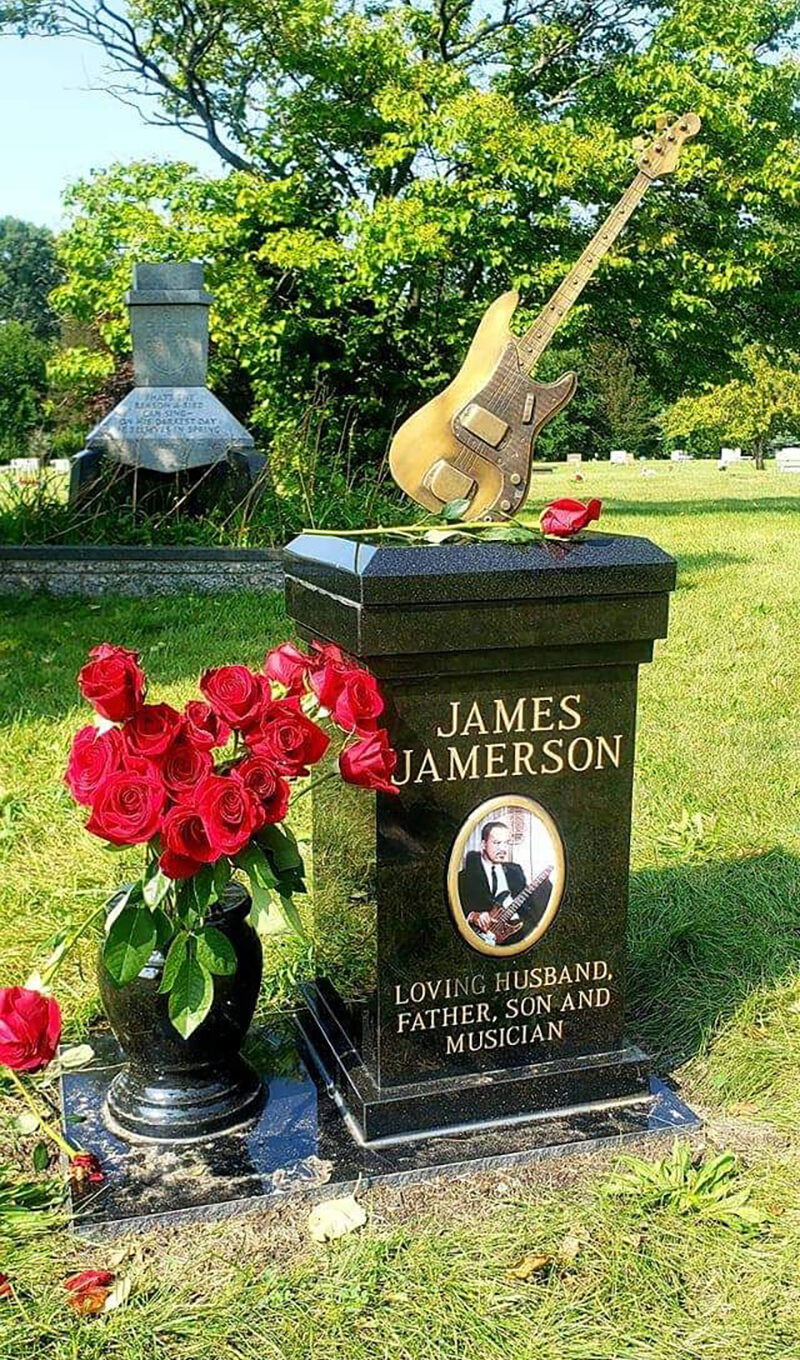
James Jamerson (1936-1983): Section 37, Lot 265, Grave 4
Jamerson was the legendary bassist and founding member of Motown’s studio musicians known as the Funk Brothers, who played on more No. 1 records than the Beatles, the Rolling Stones, the Beach Boys, and Elvis Presley combined. In recognition of his distinctive technique and influence, Jamerson was individually and posthumously inducted into the Rock and Roll Hall of Fame in 2000. In 2020, Rolling Stone ranked Jamerson No. 1 in its list of the 50 greatest bassists of all time.
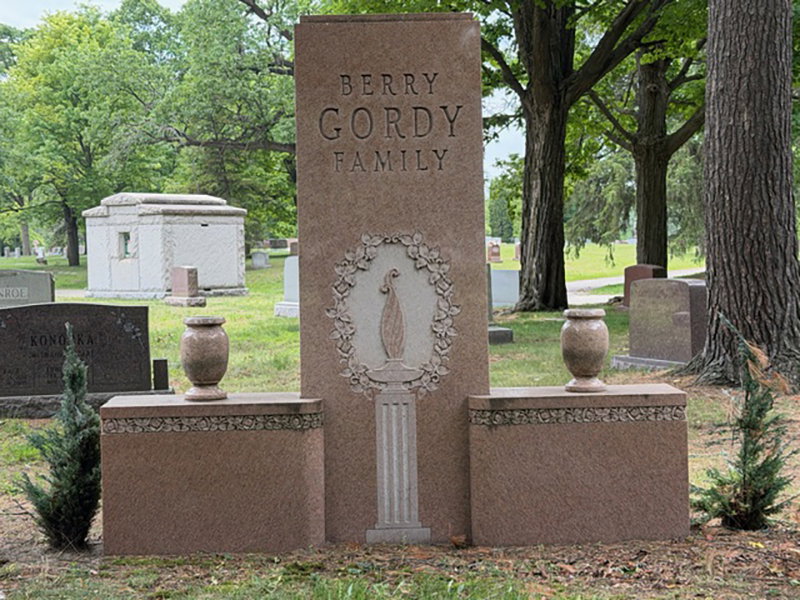
Esther Gordy Edwards (1920-2011): The Berry Gordy Family Plot, Section 21B, Lot 284
The eldest sister of Motown Records founder Berry Gordy Jr. served as senior vice president, corporate secretary, and director of Motown International Operations, where she helped spread the “Motown Sound” while guiding the careers of several Motown artists. With a strong desire to preserve the Motown legacy, she founded the Motown Museum in 1985 at the famous Hitsville USA building and studio on West Grand Blvd. Her parents, Berry “Pops” Gordy, her mother, Bertha, her four siblings, and her husband, longtime state representative George H. Edwards, are also buried in the Gordy family plot.
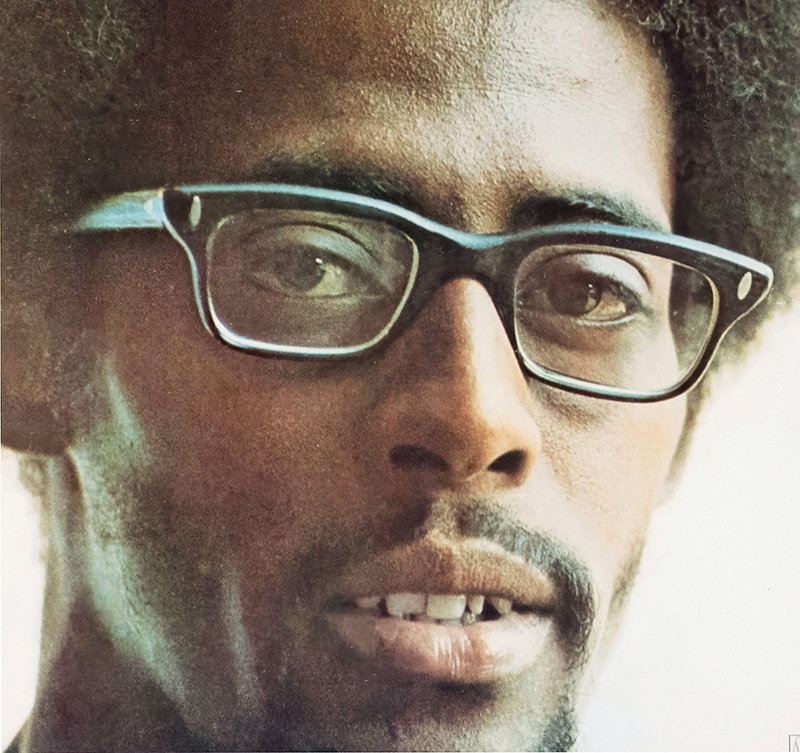
David Ruffin (1941-1991): Section 3, Lot 246, Grave 3
Ruffin is best remembered as the lead singer on the Temptations’ first No. 1 hit, 1965’s “My Girl,” penned by Smokey Robinson and considered one of the greatest love songs of all time. He was also the lead on “Since I Lost My Baby,” “Ain’t Too Proud to Beg,” and “I Wish It Would Rain,” among other hits. Before he departed the band in 1968, the Temptations scored 37 Top 40 Billboard singles (four reached No. 1) and 15 No. 1 R&B singles. The Temptations were inducted into the Rock and Roll Hall of Fame in 1989, two years before Ruffin died of a drug overdose at age 50.
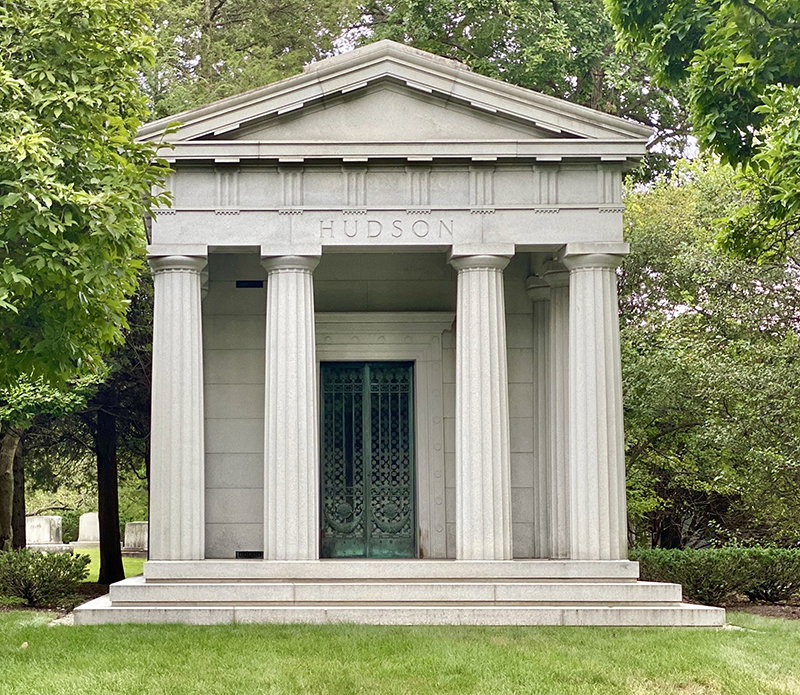
J.L. Hudson (1846-1912): Hudson Family Mausoleum, Section 10
In 1881, Detroit’s most famous retailer opened a store that sold men’s and boy’s clothing inside the old Detroit Opera House. A decade later, he established the J.L. Hudson Company department store at the corner of Farmer Street and Gratiot Avenue.
After numerous expansions, J.L. Hudson’s was once the tallest department store in the world and stood as an iconic anchor in downtown Detroit. One of the city’s most significant benefactors, Hudson also provided significant funding for the Hudson Motor Car Company that co-founders, including Roy D. Chapin Sr. (also buried at Woodlawn), named in his honor.
While on a trip to Europe in 1912, Hudson died from a lung problem. Four of his nephews, the Webber brothers, took over the business as Hudson’s became one of the most successful stores in the country.
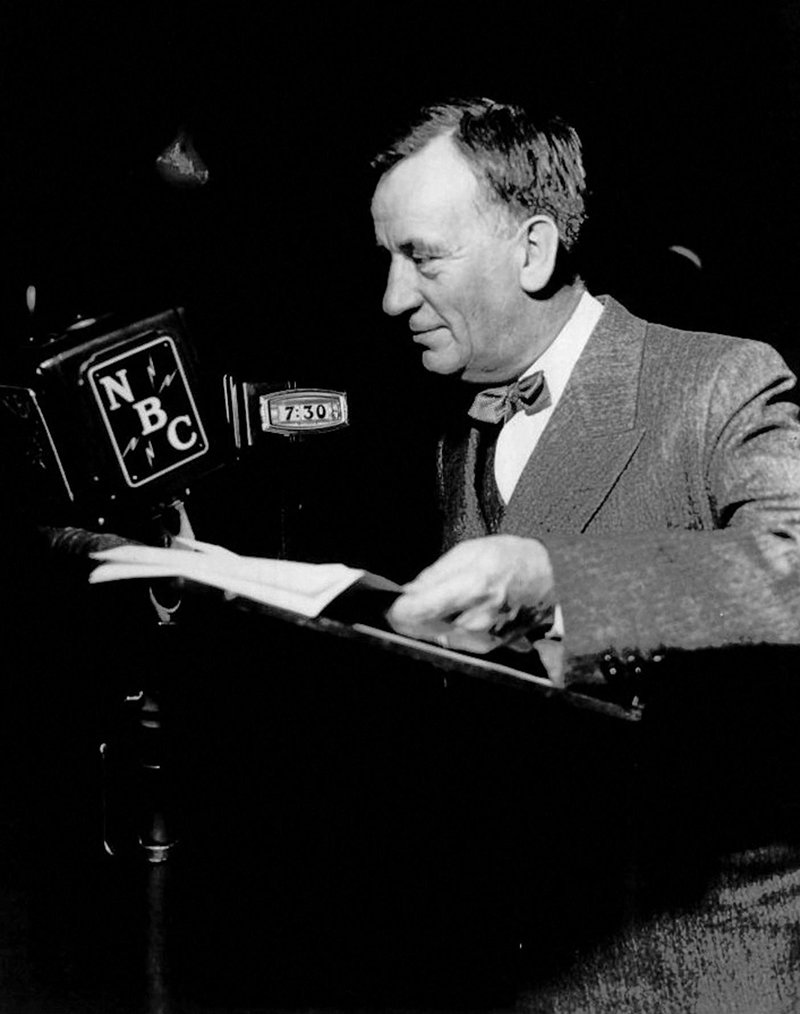
Edgar A. Guest Sr. (1881-1959): Section 23, Lot 51, Grave 7
First hired as a copyboy for the Detroit Free Press in 1895 before becoming a staff writer, Guest was one of the most widely read writers of the 20th century during his nearly 65 years at the paper. Known widely as “The People’s Poet” after the Free Press published his first poem in 1898, he regularly wrote sentimental poems on everyday life and syndicated his verse to more than 300 newspapers across the country. From 1931 to 1942, he broadcast a weekly NBC radio program. In 1952, he was named Michigan’s first poet laureate. His son, Edgar “Bud” Guest Jr., who also wrote for the Free Press and hosted the Sunny Side of the Street talk show on WJR radio from 1946 to 1972, is also buried at Woodlawn.
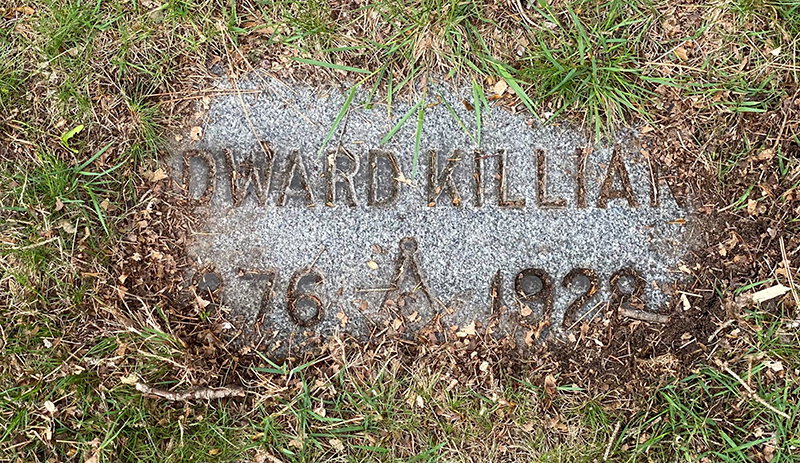
Edward Killian (1876-1928): Section 14, Lot 294
After one season pitching for the Cleveland Naps, lefty Ed Killian joined the Detroit Tigers in 1904. Killian helped the Tigers — led by sluggers Ty Cobb and Sam Crawford — win three consecutive American League pennants from 1907 to 1909. Among other accomplishments, he won 25 games for Detroit when the team captured its first pennant in 1907 and won both games of a doubleheader to effectively clinch the pennant in 1909. In his eight major-league seasons during the Deadball Era, Killian remarkably surrendered just nine home runs. In the last few years of his life, he worked as a mechanic in a Ford Motor plant before dying of cancer at age 51. Fellow Tigers pitcher Ed Siever, who played for Detroit in 1901-1902 and 1906-1908, is also buried at Woodlawn.
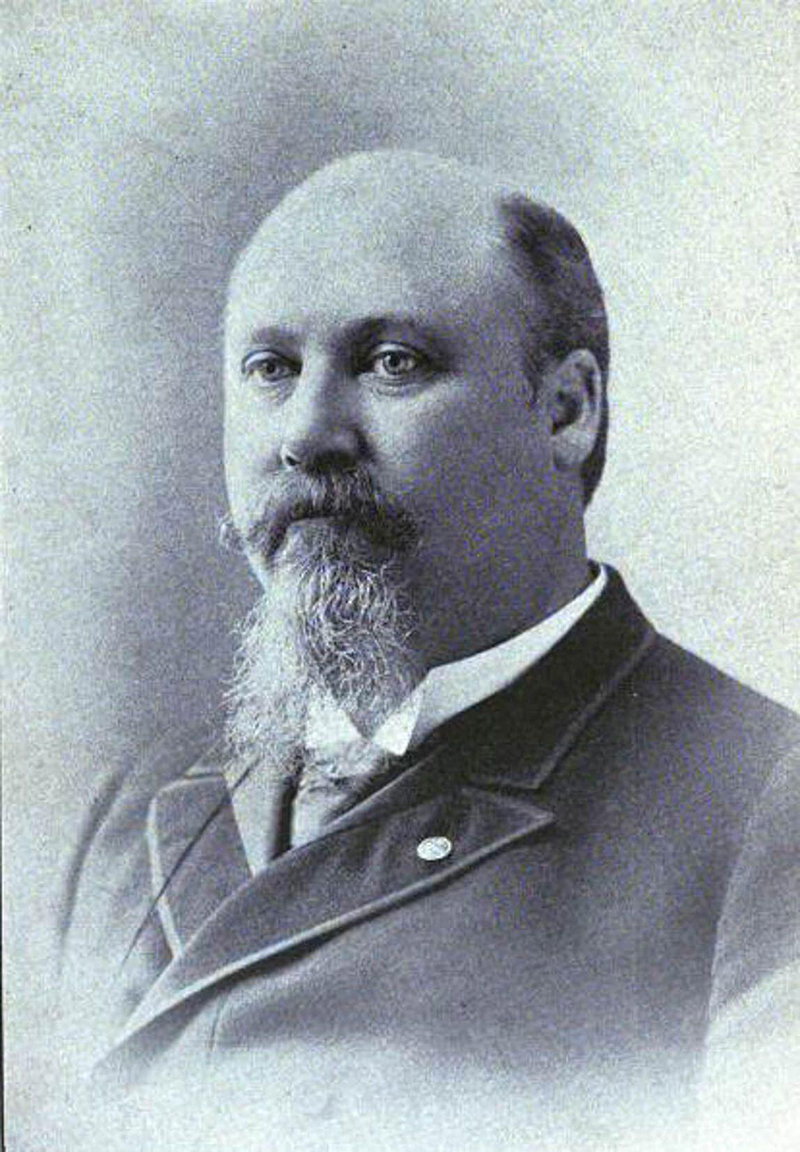
Hazen Pingree (1840-1901): Section 14, Lot 152
After serving with the Union Army in the Civil War, Pingree co-founded Pingree and Smith, one of the largest shoe manufacturers in the country, in 1866. He then served as mayor of Detroit from 1890 to 1897. Melvin Holli’s 1999 book, The American Mayor: The Best and the Worst Big-City Leaders, ranked Pingree as one of the Top 10 best mayors in American history as a significant social reformer who took over following a corrupt administration. Among his many initiatives, he lowered utility rates, improved roads, built schools, and created urban gardens during the Panic of 1893. From 1897 to 1900, he served as Michigan’s 24th governor before passing away the following year. An impressive memorial statue of Pingree, unveiled in 1904, sits in Grand Circus Park.
This story originally appeared in the October 2026 issue of Hour Detroit magazine. To read more, pick up a copy of Hour Detroit at a local retail outlet. Click here to get our digital edition.
|
|
|
|
|
|