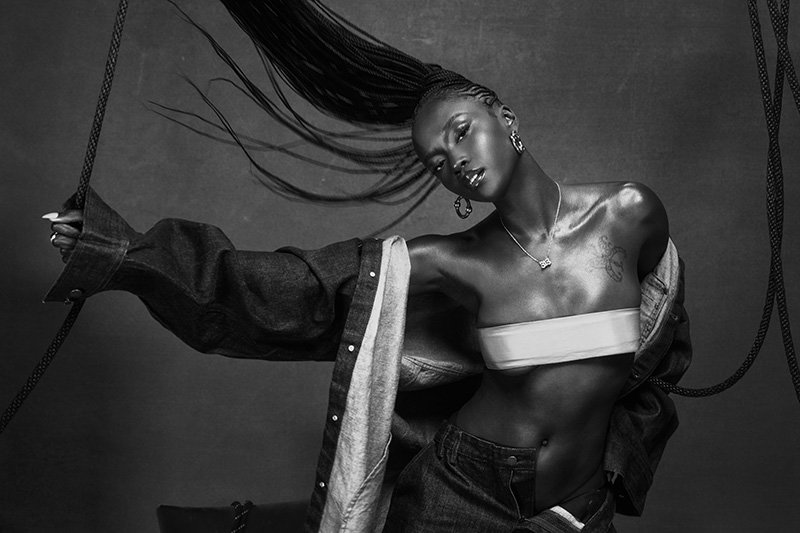
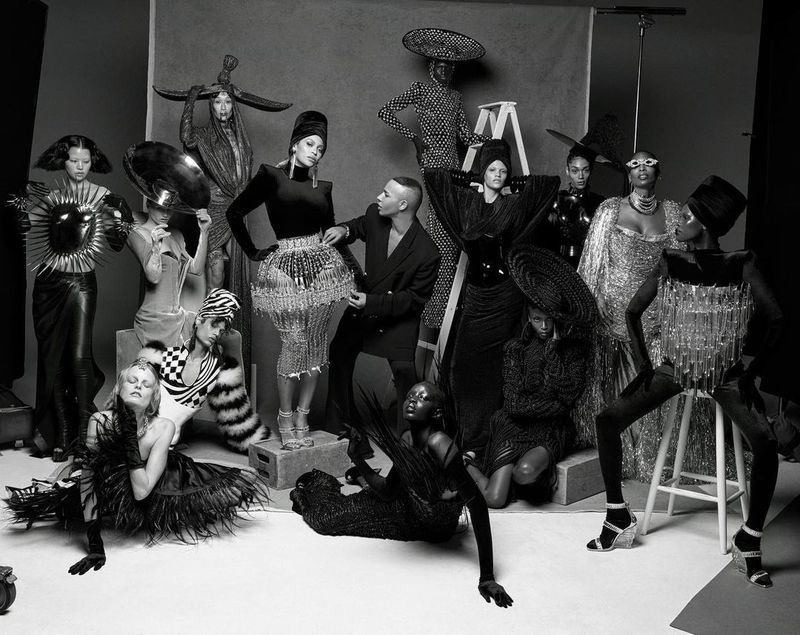
Ebony Riley rose to fame as a model under the name Riley Montana. The Detroit native walked the catwalk for some of the biggest fashion houses, such as Marc Jacobs, Bottega Veneta, and Dolce & Gabbana. She appeared in the pages of Vogue, was featured in the publication’s video series Supreme Models, and starred in the RENAISSANCE Couture campaign, a Beyoncé and Balmain collaboration. Her career allowed her to travel the world and lead a life beyond her wildest dreams.
Despite the life-changing opportunities modeling afforded her, she set her sights on a new creative direction that would allow her to shape her own destiny and tell her own story: singing and songwriting.
She gained a new audience with songs such as “Only You” — which was selected as Billboard’s “R&B/hip-hop fresh pick of the week” after its release in late 2025 and hit No. 15 on the Adult R&B Airplay chart — and “Deuce Deuce,” which showcased her smooth vocals and nostalgic yet modern vibe, striking a chord with fans.
Solidifying her full arrival as an artist, Riley released her debut album, Beautiful Tragedy, in April. The cover art depicts a nude Riley sitting atop a huge pile of clothing. With titles like “Sick of Me,” “Honest,” and “Too Grown,” the project is rooted in self-reflection, revealing the artist at her most confident and vulnerable as she aims to take control of her own narrative.
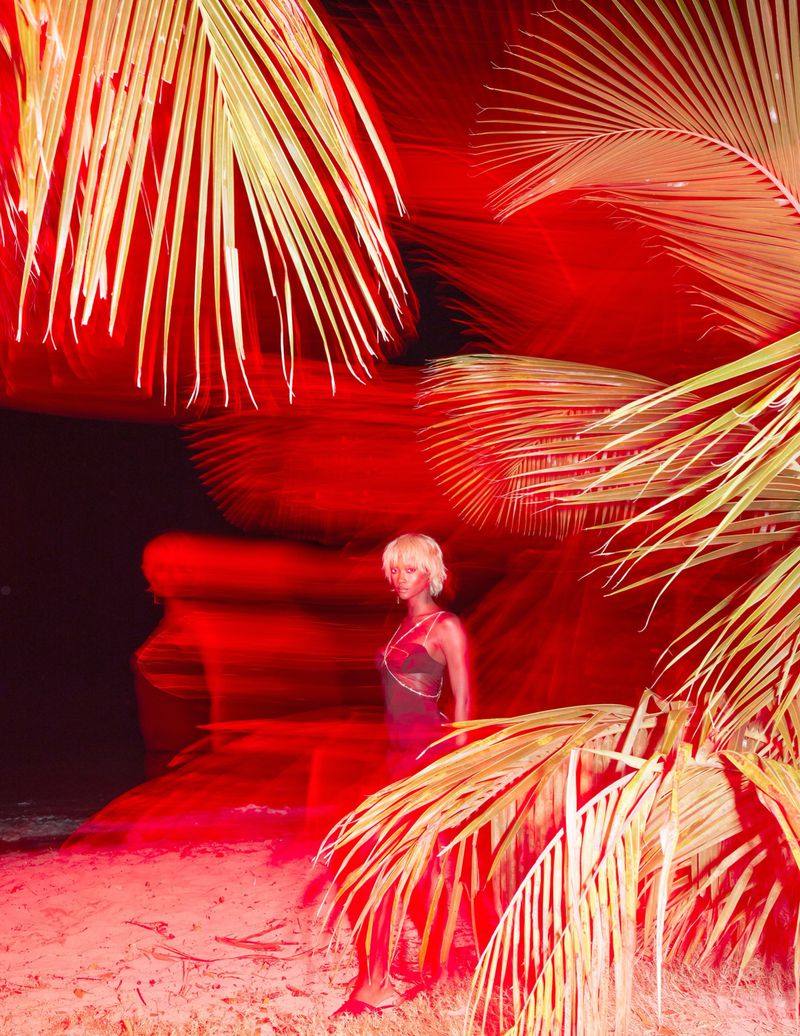
What did you want to express with your debut album, Beautiful Tragedy?
I wanted to be honest with myself and also hold myself accountable to be able to elevate and go forward into my next chapter. It was very therapeutic. I didn’t go into the studio with the mindset of, “This is about my healing.” I went into every session and was ready to be vulnerable and just willing to express myself and speak about how I felt on those particular days, and it happened to come together.
How did you get into the mindset to allow that vulnerability?
A bottle of red wine. [Laughs.] At some point, you get tired of holding your feelings in and not speaking up for yourself, so I used those sessions as an outlet to do that. I’m not going to call the friends who wronged me or the man who hurt me and cuss them out. Instead, let them go and wish them well. But this time, I used the studio as a blank canvas to express whatever I was feeling.
How important was it to have hands-on involvement in this project?
It is super important. With my first EP, I was green, so I felt like I needed to hear everybody’s opinions and suggestions. … With Beautiful Tragedy, I had to be super intentional, and if I was going to speak about what I’m going through … I also have to uplift myself in the same breath so I wasn’t just a heartbroken girl. I feel like some people misconstrued that and asked, “Who hurt you? You’re so sad!” A lot of people hurt me, but I ain’t sad. I’m good. I know it’s life and the lessons that come with it.
The album features a collaboration with Skilla Baby, “You Better Know.” What was it like to work with a fellow Detroit native?
That was my first collaboration, so that was different for me. I’m used to it being based on what I think and what I like. Now I get to collab with someone, and it’s fun as I get to see how their brain works. Then you get to have the back-and-forth banter. Skilla is super silly. He has another side; he can be serious, but he is also really fun to be around.
What did the lessons of rejection in the modeling space teach you going forward into the music industry?
The rejection helped me to be okay with being told no and having patience and knowing what is meant for you is meant for you. There have been things I wished I could have or tours I wished I could have been on or different things in the music industry that I didn’t get. For one second, I can be sad and then snap back into, “That wasn’t meant for you, and that’s okay.” Whereas back in the day with modeling, I used to be down bad, and it would affect me deeply when I didn’t get things. That does nothing for nobody. It helped me be okay with waiting for my blessings and knowing that it’s coming but just not in the way that you [initially] thought.
Did you find that modeling didn’t allow you the space and opportunity for self-reflection and growth in the same way that music has?
When I came up, they wanted a very specific thing and then gradually, the industry started to accept and want self-expression more within the modeling space. But at that point, I was mentally out. I was grateful, and I wanted to do things in the modeling space because both worlds, music and fashion, go hand-in-hand, but my mind was made up in 2015 that I wanted to switch to music and fullheartedly pursue it.
I have seen girls now figure it out because social media changed the game. They had platforms on social media where you can express yourself exactly how you want, but I didn’t know that when I was in the industry. With music, it’s day and night because it’s all about self-expression and how you want to be seen, how you want to speak, and what you’re standing for.
How did Detroit shape you as an artist?
I feel like the main thing I got from growing up in Detroit and becoming an artist is individuality. I can spot a Detroit rapper out of a crowd. It’s like a needle in a haystack, but I’m gonna find that needle because we are so different from everybody. I have always taken pride in going into this industry and making sure that I am my own person and not doing what anybody else is doing. We have so many legendary acts coming from the city, such as Aretha Franklin, the Clark Sisters, Big Sean, Eminem, Diana Ross, Motown, and so many iconic figures. That era shaped music in general, not just within the city of Detroit. I got the best of both worlds as I grew up in the ’90s, where we had our own thing going on. Even though I’ve been gone for a minute, it’s something you can’t shake, and Detroit is always a part of you.
This story originally appeared in the September 2026 issue of Hour Detroit magazine. To read more, pick up a copy of Hour Detroit at a local retail outlet. Click here to get our digital edition.
|
|
|
|
|
|