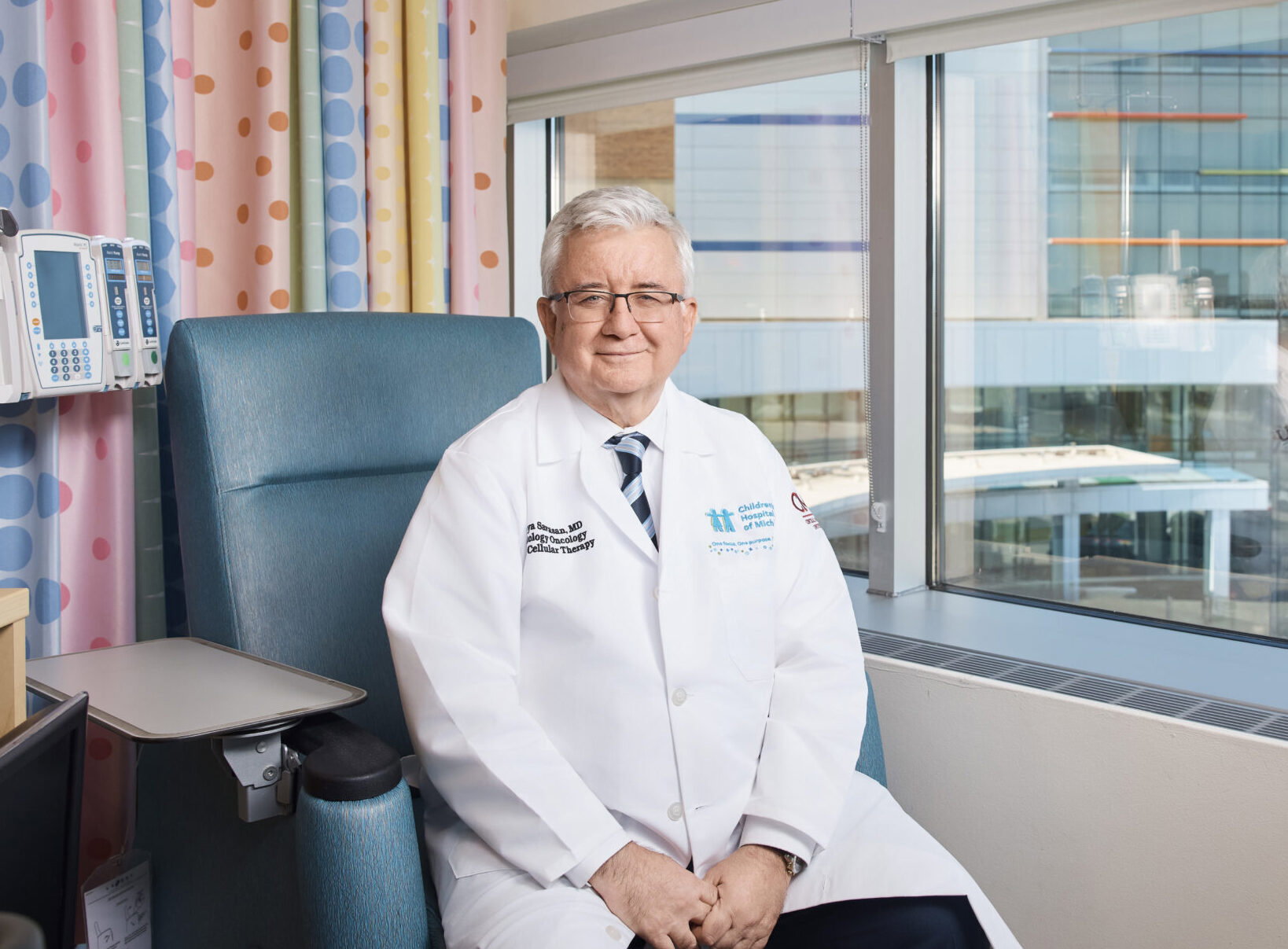
Every year, Hour Detroit publishes a list of the Top Doctors in metro Detroit. This year’s list contains more than 1,000 physicians in 97 specialties — all nominated by their peers. With so many doctors at our fingertips we’d be remiss not to share some of their insights with you. Below is one of the eight interviews with a 2026 Top Doctor.
More Hour Detroit Top Doc ProfilesBegum Akay, M.D. on Innovations in Pediatric SurgeryPano Papalekas, M.D. on Inpatient RehabilitationSuki Singh, M.D. on the Evolution of the Obesity Medicine SpecialtyNatasha Robinette, M.D. on Radiology Misconceptions
Sibin Zacharias, M.D. on Innovations in CardiologyAmanda McClure, M.D. on How to Reduce the Risk of Colorectal CancerJenny Radesky, M.D. on How AI Technologies Impact Children and Teens
On Dec. 2, 2025, you helped perform Michigan’s first Lyfgenia transfusion on a 24-year-old Southfield college student, leading him to announce that he was medically “cured” of sickle cell in March 2026. How does Lyfgenia (lovotibeglogene autotemcel) work to treat or cure sickle cell disease?
Lyfgenia treatment is truly miraculous. The patient’s own stem cells are collected from blood during an inpatient procedure. Then, the stem cells go to a lab, where a new working hemoglobin A-type gene is added into the patient’s stem cells. This gene helps the body make healthy hemoglobin, preventing red blood cells from becoming sickle shaped. Those modified stem cells are then transplanted or infused back to the patient after preparing bone marrow to support the growth of those cells. This therapy is considered “life transforming” when tests show the body is producing healthy hemoglobin without blood transfusions, as well as resolution of painful episodes or other sickle cell complications over time.
This treatment is life transforming! Imagine, as a child, experiencing debilitating pain when all you want to do is ride your bike, play with your friends, go to school, etc. And to alleviate those issues, your option is regular blood transfusions — as frequently as every month — spending hours at a time in a hospital. Or sometimes, it’s so bad [that] you end up hospitalized.
By eradicating these sickle cell disease complications, gene therapy gives patients their lives back.
Are all sickle cell disease patients eligible for this treatment?
What are the side effects?
This story originally appeared in the October 2026 issue of Hour Detroit magazine. To read more, pick up a copy of Hour Detroit at a local retail outlet. Click here to get our digital edition.
|
|
|
|
|
|