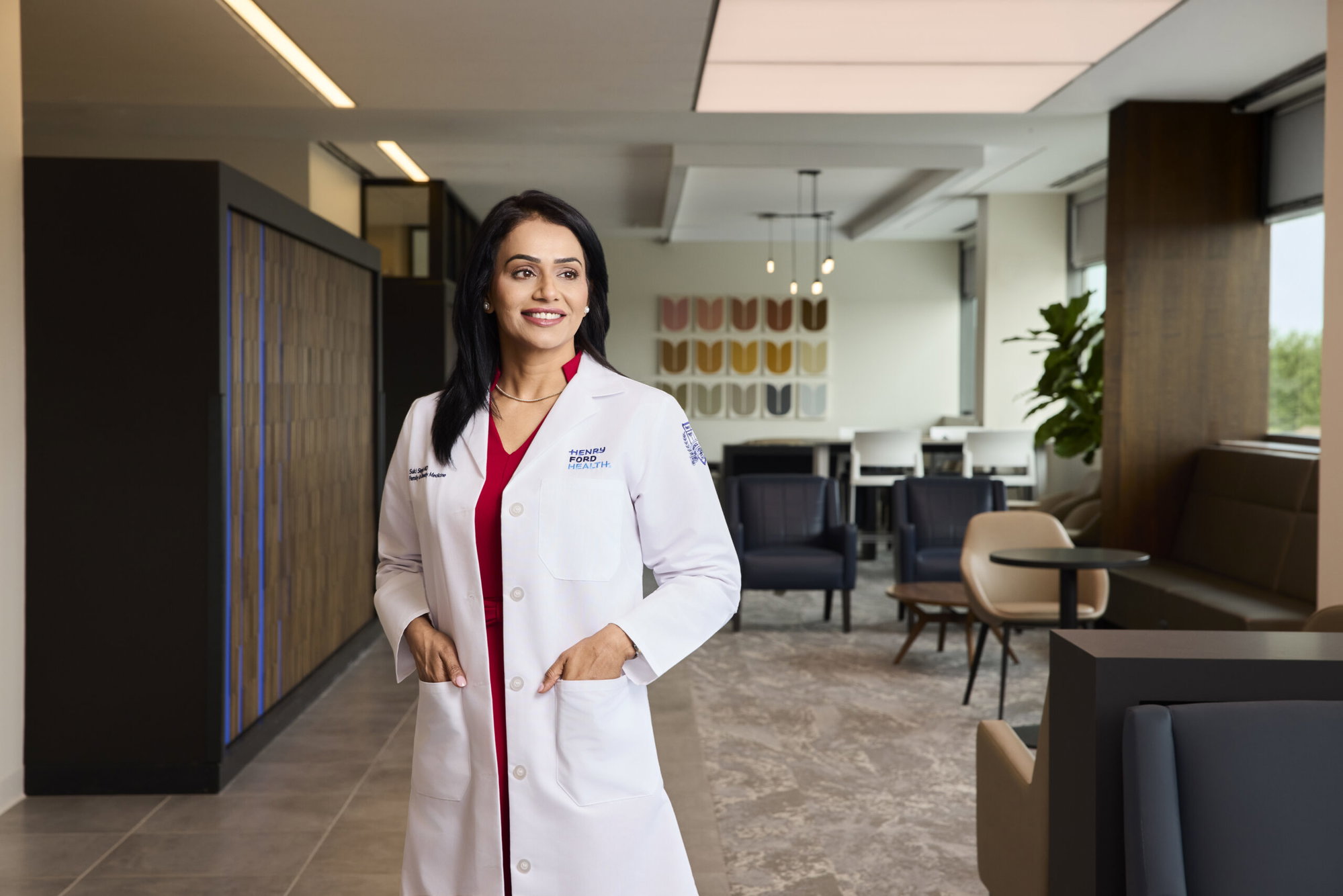
Every year, Hour Detroit publishes a list of the Top Doctors in metro Detroit. This year’s list contains more than 1,000 physicians in 97 specialties — all nominated by their peers. With so many doctors at our fingertips we’d be remiss not to share some of their insights with you. Below is one of the eight interviews with a 2026 Top Doctor.
What is something you wish more people understood about being a physician and your specialty?
Obesity medicine is a relatively young and evolving specialty, and effective treatment requires far more than simply writing a prescription. It requires empathy, clinical judgment, compassion, and a deep understanding of each patient’s unique medical history, challenges, and goals. I wish more physicians understood the level of nuance involved in developing an individualized treatment plan for chronic obesity care.
Every patient’s journey is different. For example, a patient living with diabetes and taking insulin may face complex biological drivers of hunger, cravings, and weight regulation that go far beyond food choices alone. Their relationship with food, mental health, daily environment, and access to nutritious whole foods all play important roles in achieving sustainable weight loss. Behavioral change takes time, and lasting results are built through consistent, realistic steps. My goal is to help patients focus on progress rather than perfection while creating sustainable lifestyle changes that support long-term health and well-being.
What recent innovations in your field most excite you and why?
We’re entering one of the most exciting eras in medicine with the emergence of a new generation of metabolic therapies, including GLP-1 and dual-incretin medications, that address obesity while simultaneously improving multiple chronic diseases. Rather than treating each condition in isolation, we’re now able to take a more comprehensive approach to patient care.
I’m equally excited about the shift toward comprehensive obesity care, integrating precision medicine, including GLP-1 therapies, with personalized nutrition, exercise, behavioral health, digital monitoring, and bariatric/metabolic surgery.
The future of obesity medicine isn’t simply about helping people lose weight; it’s about improving overall health, extending healthier years of life, and enhancing quality of life. Ultimately, it’s about giving patients the confidence and ability to fully participate in life’s meaningful moments, from keeping up with their children and grandchildren to gathering around the table with family and enjoying the shared experience of food without guilt or limitation.
This story originally appeared in the October 2026 issue of Hour Detroit magazine. To read more, pick up a copy of Hour Detroit at a local retail outlet. Click here to get our digital edition.
|
|
|
|
|
|