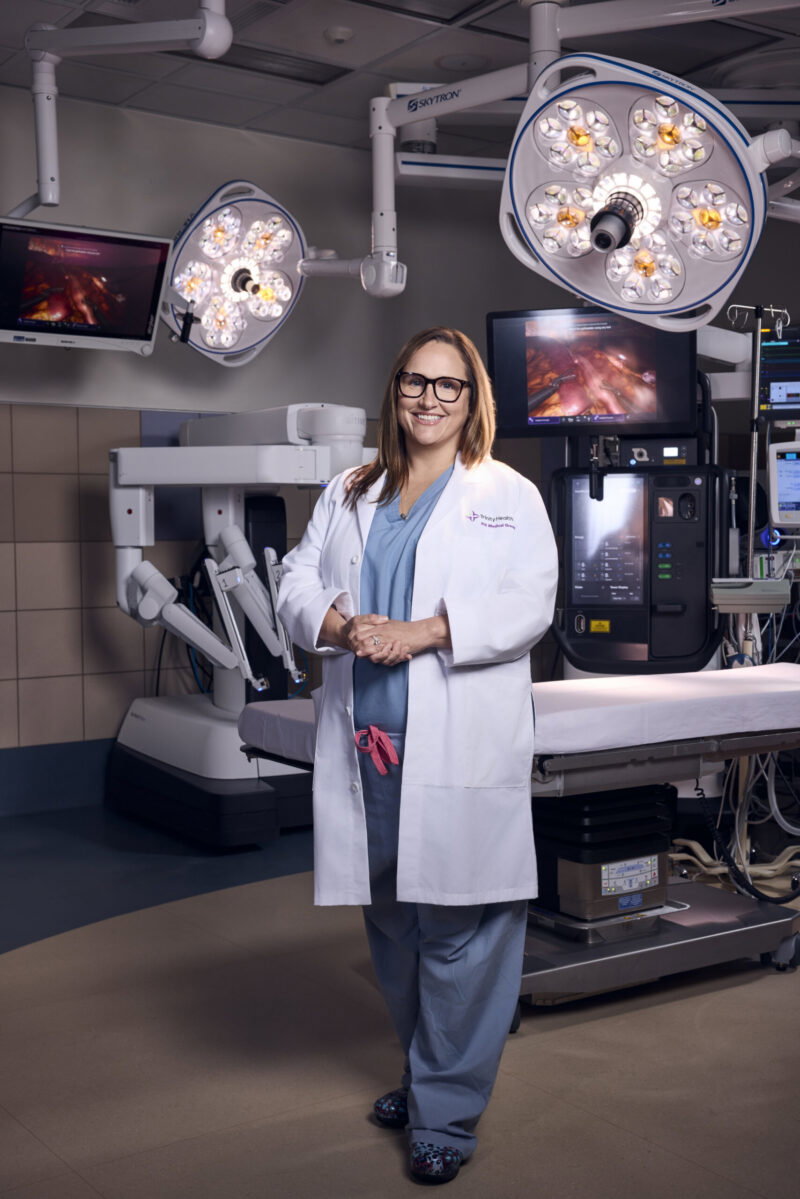
 Every year, Hour Detroit publishes a list of the Top Doctors in metro Detroit. This year’s list contains more than 1,000 physicians in 97 specialties — all nominated by their peers. With so many doctors at our fingertips we’d be remiss not to share some of their insights with you. Below is one of the eight interviews with a 2026 Top Doctor.
More Hour Detroit Top Doc Profiles
Begum Akay, M.D. on Innovations in Pediatric SurgerySüreyya Savaşan, M.D. on Performing a Lyfgenia TransfusionPano Papalekas, M.D. on Inpatient RehabilitationSuki Singh, M.D. on the Evolution of the Obesity Medicine SpecialtyNatasha Robinette, M.D. on Radiology MisconceptionsSibin Zacharias, M.D. on Innovations in Cardiology
What lifestyle choices should patients make to reduce their risk of colon and rectal cancer?
There isn’t one magic food or supplement that’s going to prevent colon cancer. What matters is the pattern over time: Move your body, don’t smoke, limit alcohol, maintain a healthy weight, eat plenty of fiber, fruits, vegetables, and whole grains, and limit processed meats and excessive red meat. But I always add something important when we have this conversation: You can do everything “right” and still get cancer. I never want prevention messaging to turn into blame. Genetics matter. Family history matters. Inflammatory bowel disease matters. Biology matters. And there are things about the increasing incidence of colorectal cancer in younger people that we still don’t fully understand. So make the healthy choices you can make — and then get screened.
What steps can lead to early detection of colon and rectal cancer?
Know when you’re due for screening, know your family history, and don’t ignore your body. For most people at average risk, colorectal cancer screening starts at age 45. There are several good screening options. But screening guidelines are for people without symptoms. That’s an important distinction. If you’re having rectal bleeding, unexplained iron-deficiency anemia, persistent changes in your bowel habits, unexplained weight loss, or other concerning symptoms, that’s not really a screening conversation anymore. That’s something we need to evaluate. And there’s another piece of this that I’m passionate about: We have to make screening easier. One of the things we’re working on at Trinity Health is simplifying that pathway — making it easier for a primary-care provider to order colorectal cancer screening and creating a coordinated pathway to get that patient to the right place. Access is part of cancer prevention.
This story originally appeared in the October 2026 issue of Hour Detroit magazine. To read more, pick up a copy of Hour Detroit at a local retail outlet. Click here to get our digital edition.
|
|
|
|
|
|